
Traveller and Squatter Eviction Leads to £5,000 Demand Refused and Site Cleared in Brighton
Related Services
Team Members Involved


The Situation
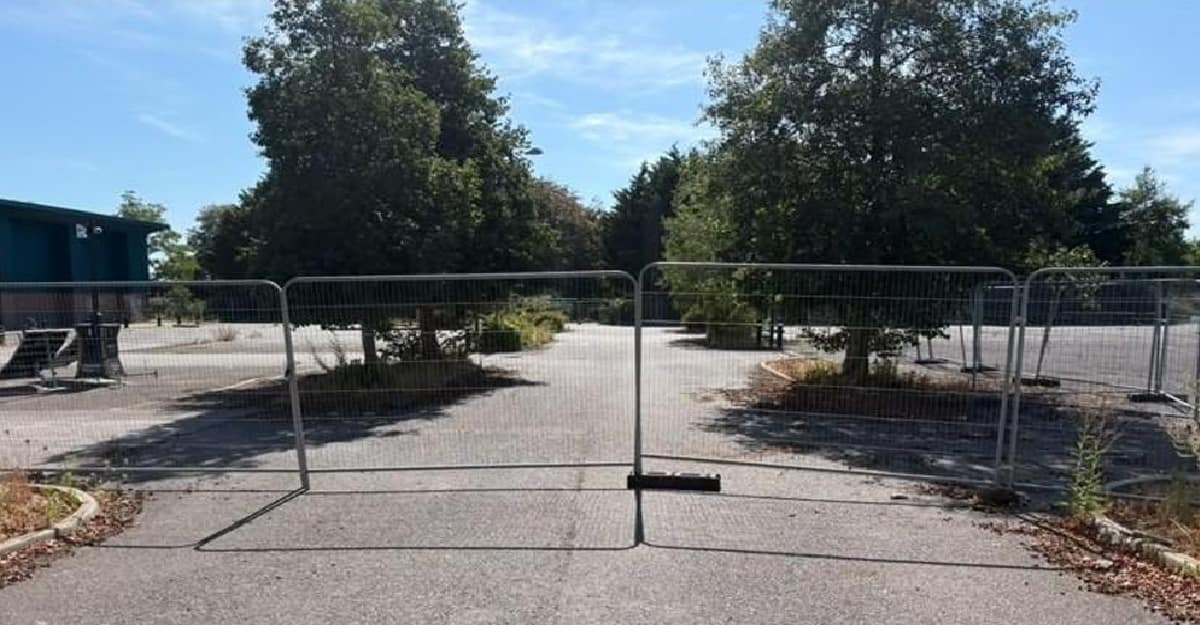
A group of caravans and motorhomes had moved onto a disused commercial car park on the outskirts of a city in West Sussex. The site was private land, unoccupied and awaiting redevelopment, with open vehicle access from the adjoining road and no physical barrier to stop anyone driving in. Once the encampment was established, the client faced the immediate risk of the group growing, waste accumulating on site, and the redevelopment programme being held up indefinitely.
Because the land was in private ownership, the client did not need a court order to remove the trespassers. What they did need was an experienced team on the ground who could hold that position confidently, manage the interaction safely, and see the site cleared without escalation. After searching for traveller eviction services in Brighton, the client contacted Strikes Property Services Group.
Our Approach
Two of our enforcement agents attended the site at 8:00am. There was no response from any of the caravans or motorhomes on the first approach, so our agents withdrew to their vehicles rather than force an interaction with people who were, at that point, still asleep or unwilling to engage. Shortly afterwards a van arrived carrying a group of males, and our lead agent opened a conversation with the individual who appeared to be speaking for the group.
Our agents advised the group that they were trespassing on private land and needed to leave immediately, and explained the legal position plainly: as this was private land, the client was not required to obtain a court order before removing them. The response was a demand for £5,000, with an offer to leave three days later, on the Sunday. Our agents advised the group of the consequences of failing to vacate, including the prospect of the client instructing recovery vehicles to remove the caravans and motorhomes, and relayed the demand to our office.
The client’s instruction was clear, and our lead agent returned to the group with it: no payment would be made, and we required a firm time by which the site would be vacated. The demand was repeated, then dropped to £1,000 for departure within the hour. That was refused on the same basis. Around an hour into the morning a group of five males approached our agents’ vehicle to ask whether their offer had been accepted; the exchange, like every other that day, remained calm and non-aggressive throughout. Police officers attended mid-morning as part of a pre-planned visit, and our agents briefed them on the position: the situation was peaceful, efforts to secure a voluntary departure were ongoing, and police assistance might be needed if recovery vehicles were instructed.
By early afternoon the group’s spokesman claimed that a further nineteen caravans were on their way to the site. Rather than wait to see whether that materialised, our team acted on it immediately, requesting police attendance and confirming that recovery vehicles were being deployed. The group was told directly that the police had been notified and the recovery vehicles were en route.
Outcome
The site was fully vacated by 3:00pm, seven hours after our agents first arrived and twenty minutes before the recovery vehicle reached the site. No payment was made to the occupants at any stage, no court order was required, and there was no confrontation. With the last vehicle gone, our agents secured the site as effectively as the existing infrastructure allowed and confirmed the ground clear before leaving.
We also gave the client a practical recommendation to prevent a repeat: concrete blocks or comparable physical barriers across the vehicle access points, which would stop unauthorised vehicles entering in the first place and remove the site from circulation as an easy target. The case was managed by Tom Coyle (Enforcement Agent) and Chris Bane (Managing Director), ensuring the encampment was cleared quickly, lawfully, and at no cost to the client beyond the instruction itself.